Waterproofing Basements in Older Homes
People searching for waterproofing basements in older homes aim to prevent leaks and moisture issues, and local contractors can provide expert solutions to keep basements dry and secure.
Homeowners with older properties often face unique challenges when it comes to maintaining a dry and stable basement. If your house is showing signs of moisture, leaks, or water intrusion, you're in the right place to explore practical solutions. Understanding the importance of proper waterproofing can help protect your investment and prevent issues like mold growth, structural damage, or ongoing dampness. Local contractors specializing in waterproofing basements in older homes have experience with the specific needs of vintage properties, ensuring that solutions are both effective and respectful of the home's original structure.
Exploring waterproofing options is a proactive step for property owners looking to preserve the integrity of their older homes. Whether you're dealing with rising damp, foundation cracks, or drainage concerns, professional service providers can assess your situation and recommend tailored approaches. These local experts can handle everything from exterior waterproofing to interior sealants, helping to create a dry, stable environment that lasts. Keep reading to find out how local pros can assist with waterproofing basements in older homes and help safeguard your property for years to come.
- Waterproofing basements in older homes - homeowners noticing persistent dampness or leaks often seek local contractors experienced in addressing the unique challenges of aging foundations.
- Waterproofing basements in older homes - when foundation cracks or mold issues develop, local service providers evaluate existing structures and implement tailored waterproofing solutions.
- Waterproofing basements in older homes - property owners planning renovations may need local pros to ensure the basement remains dry and protected during and after construction.
- Waterproofing basements in older homes - homes with historical or uneven foundations may require specialized techniques from local contractors to effectively prevent water intrusion.
- Waterproofing basements in older homes - in cases of rising groundwater or poor drainage, local pros can install systems that help keep basements dry and structurally sound.
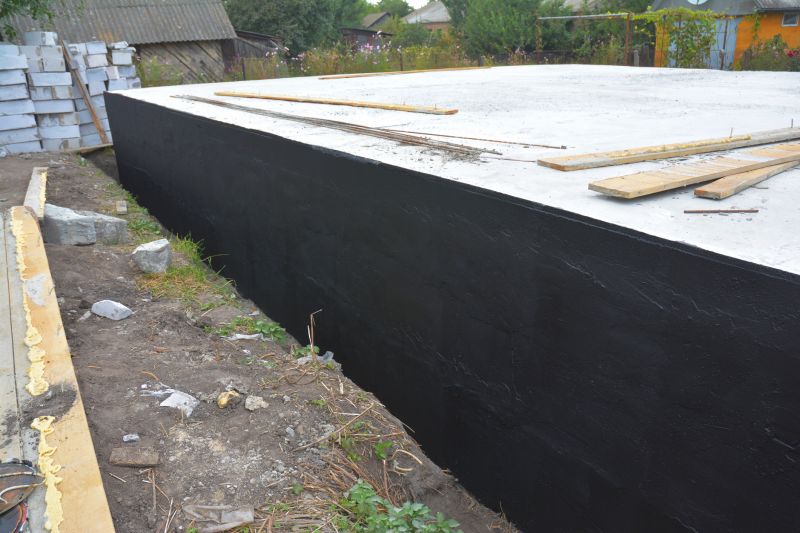
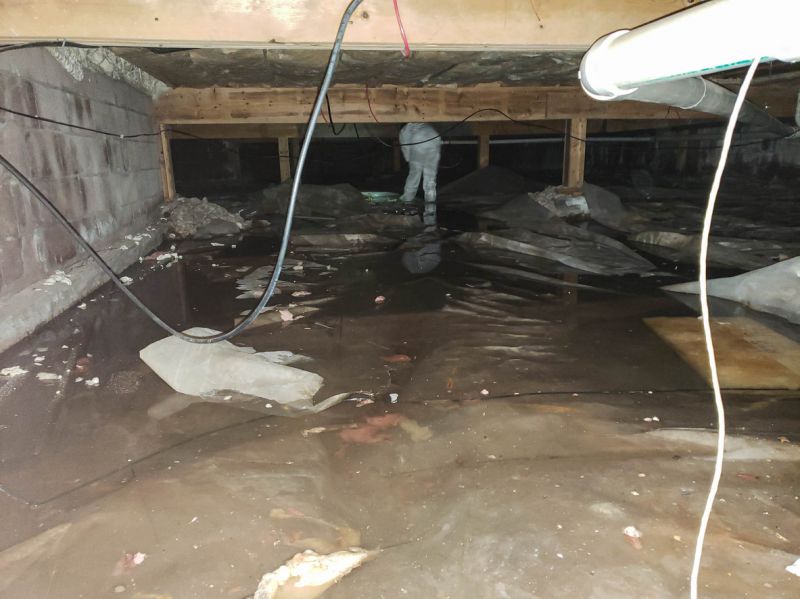
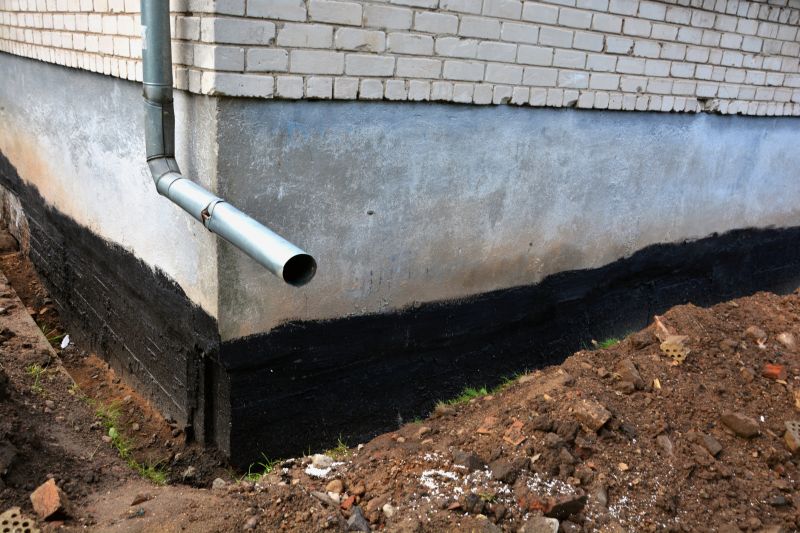
When people search for waterproofing basements in older homes, they are often looking for solutions to persistent moisture issues or water intrusion that have developed over years of use. Many homeowners with older properties notice dampness on basement walls, puddles after heavy rain, or a musty smell that suggests ongoing water problems. These searches usually stem from a desire to protect the foundation, prevent mold growth, and create a healthier, more usable space below ground level. Understanding what waterproofing involves helps homeowners connect with local contractors who specialize in addressing the unique challenges posed by aging structures.
Older homes frequently face specific issues that make waterproofing a priority. Foundations may have cracks, deteriorated sealants, or outdated drainage systems that no longer work effectively. In many cases, the soil surrounding older properties has shifted or settled, increasing pressure on basement walls and leading to leaks. Some homes have experienced previous repairs that have failed over time, leaving behind gaps or compromised barriers. Homeowners planning to finish or renovate their basements also see waterproofing as a crucial step to ensure the space remains dry and functional for years to come. Local service providers can assess these conditions and recommend tailored solutions to mitigate water intrusion.
The types of properties that typically come up in searches for waterproofing basements in older homes are often historic or long-standing residences built before modern waterproofing standards. These properties may include century-old row houses, early 20th-century single-family homes, or vintage multi-unit buildings. Such homes often feature foundation materials like stone or early concrete mixes, which may not be as resistant to water as newer construction. The landscape around these properties can also play a role, with mature trees, poorly graded yards, or inadequate drainage systems contributing to basement moisture issues. Local contractors experienced in working with older structures can provide insight into the best waterproofing methods suited to these properties.
Addressing waterproofing in older homes involves understanding the connection between the structure’s age, foundation type, and existing conditions. Homeowners often seek out local pros who can evaluate the current state of the basement, identify vulnerabilities, and recommend effective solutions such as exterior waterproofing, interior sealants, or drainage improvements. These professionals bring practical knowledge of how older homes behave in various weather conditions and can help develop a plan that preserves the building’s integrity while keeping the basement dry. Connecting with experienced service providers ensures that the project is handled with an understanding of the specific needs of older properties, making waterproofing a reliable part of maintaining and enhancing these historic homes.
Foundation Repair - foundation repair projects often involve assessing and fixing structural issues, skills that are useful when addressing water intrusion in older home basements.
Drainage System Installation - installing or upgrading exterior and interior drainage systems is closely related to waterproofing basements and often handled by the same type of service providers.
Crawl Space Waterproofing - waterproofing crawl spaces shares techniques and planning considerations with basement waterproofing, making it a relevant related project.
Basement Finishing - finishing a basement requires proper moisture control and waterproofing to ensure a durable, dry living space, connecting it to waterproofing services.
Moisture Barrier Installation - applying moisture barriers on floors and walls is a common step in basement waterproofing and can be part of other waterproofing or sealing projects.
Interior Wall Sealing - sealing interior basement walls to prevent water seepage involves similar skills and tools used in waterproofing older home basements for moisture control.
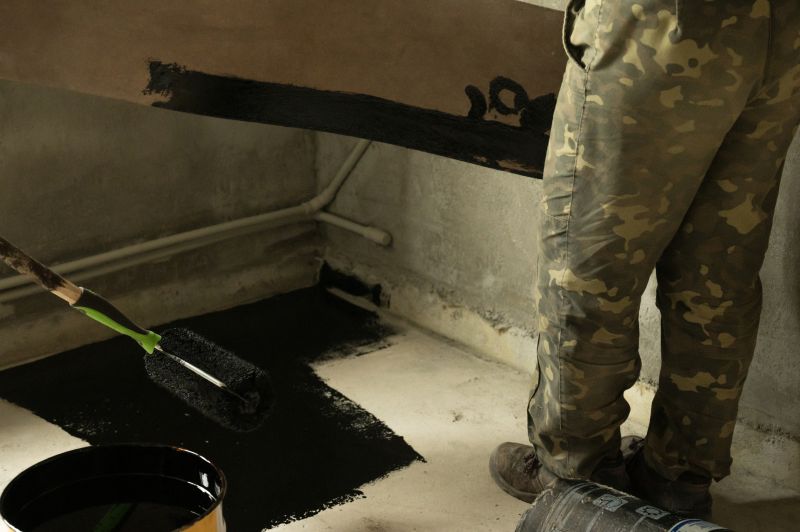
When evaluating service providers for waterproofing basements in older homes, it is important to consider their experience with similar projects. Older homes often present unique challenges, such as outdated foundation materials or existing structural issues, which require specialized knowledge and skills. Local contractors with a proven track record in handling basement waterproofing in homes of comparable age and construction are more likely to understand the specific needs and potential complications that may arise, helping to ensure a successful outcome.
Clear, written expectations are essential when comparing basement waterproofing services. A reputable service provider should be able to provide detailed descriptions of the proposed work, including the methods and materials to be used, as well as a transparent scope of what the project entails. Having these expectations documented helps prevent misunderstandings and provides a basis for evaluating whether the services align with the homeowner’s needs and concerns, especially in the context of older homes where the scope may vary significantly.
Reputable references and good communication are key factors in selecting a reliable local contractor. Service providers who can furnish references from previous clients-particularly those who have had similar waterproofing projects-offer valuable insights into their workmanship and professionalism. Additionally, clear and consistent communication throughout the process can help homeowners feel confident in the progress and any decisions that need to be made. Choosing a contractor who is responsive and transparent can lead to a smoother experience and a more satisfactory result when waterproofing basements in older homes.
Property owners often search for waterproofing basements in older homes when they are planning practical projects around their homes and businesses. Local pros provide Basement Waterproofing services for everyday jobs and straightforward project options.
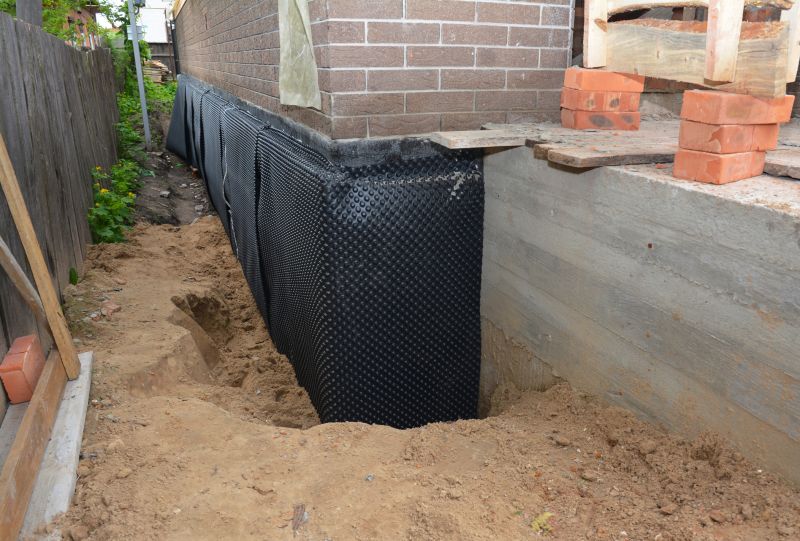
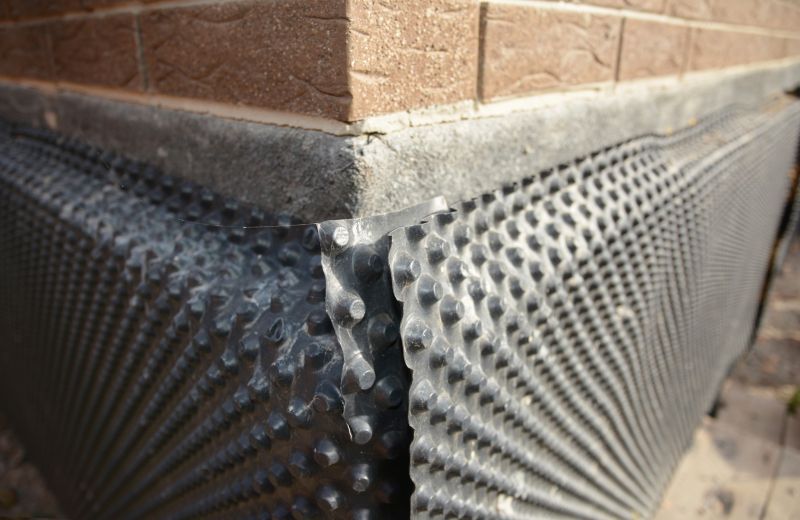
Homeowners with older properties often encounter moisture issues or water seepage in their basements, especially after heavy rains or seasonal changes. These common situations prompt property owners to explore waterproofing basement services to protect their investment and prevent potential damage. Local contractors experienced in basement waterproofing can assess existing conditions, identify problem areas, and recommend effective solutions tailored to older homes’ unique needs.
Many property owners seek out basement waterproofing services to address persistent dampness, mold growth, or signs of water intrusion that have developed over years. Connecting with local service providers can help ensure that the necessary repairs and waterproofing measures are handled professionally, offering peace of mind and long-term protection for basements in older homes.
What are common waterproofing methods for older homes' basements? Local contractors may use techniques such as interior sealants, exterior drainage improvements, or sump pump installation to address waterproofing in older home basements.
Can waterproofing solutions be tailored for older homes? Yes, experienced service providers can assess the unique conditions of older homes and recommend suitable waterproofing approaches that fit the property's needs.
What signs indicate a basement needs waterproofing in an older home? Signs include persistent dampness, water stains, mold growth, or musty odors, which local pros can evaluate to determine the best waterproofing strategy.
Are there specific challenges when waterproofing basements in older homes? Older homes may have existing cracks, outdated drainage systems, or deteriorated foundation walls, which local contractors can address with specialized waterproofing techniques.
How can homeowners prepare their basement for waterproofing services? Homeowners should clear the area of obstructions and inform the service provider of any existing water issues or structural concerns to facilitate effective waterproofing.
Assess existing basement conditions - property owners can evaluate signs of moisture or leaks to determine where waterproofing is needed and discuss options with local contractors.
Choose appropriate waterproofing methods - homeowners might consider interior sealants or exterior barriers, working with local service providers to select the best approach for older homes.
Prepare the basement space - clearing clutter and ensuring proper drainage can help facilitate effective waterproofing projects with the assistance of experienced contractors.
Schedule waterproofing installation - coordinating with local pros ensures that waterproofing systems are properly installed to protect older basements from future water issues.
If you are thinking about waterproofing basements in older homes for a property, this guide is meant to help you understand this topic, the typical project types, and how different options might fit your plans.
When you are ready, you can use the quote form on this page to share a few details about your project. From there, local pros can review the basics and follow up with options that match what you have in mind.